Krakow City Guide: Plan Your Visit
The Former Royal Capital of Poland
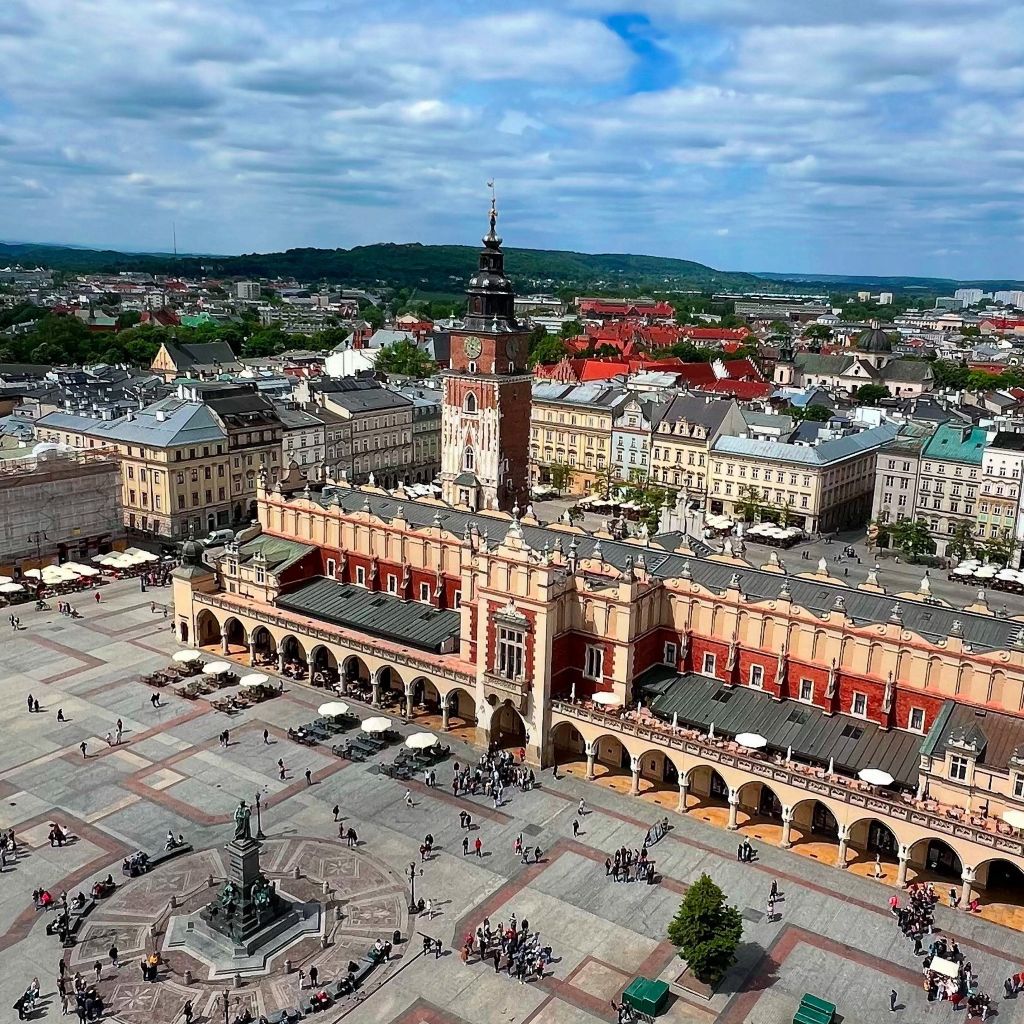
Kraków, nestled on the banks of the Vistula River in southern Poland, is a cultural and academic hub with long-standing traditions that captivate visitors with its unique appeal. It's best known for its notable medieval Old Town, vibrant Main Market Square (Rynek Glówny), and historic Jewish quarter, Kazimierz. Cobbled streets reveal Gothic and Renaissance architecture, while the regal Wawel Castle overlooks the city and represents Krakow's royal past. The town avoided destruction during WWII, but remnants of the Jewish Ghetto wall, historic Oskar Schindler's Factory, and the city's proximity to the mournful Auschwitz-Birkenau remind us of a painful history.

Population

  • City ~ 800,653 
  • Metro ~ 1,498,499

Area

  • City 326.8 km2 (126.2 sq mi) 
  • Metro 4,065.11 km2 (1,569.55 sq mi)


Top Experiences
Auschwitz-Birkenau from Krakow
Top
Auschwitz-Birkenau from Krakow
Group Tour
Day Trips
Schindler’s Factory and the Kraków Ghetto
Top
Schindler’s Factory and the Kraków Ghetto
Semi-Private Tour
Museums & Exhibitions
Traditional Polish Food Tour in Krakow
Top
Traditional Polish Food Tour in Krakow
Food & Drink
Semi-Private Tour
Walking Tour
Guided Tour
Wieliczka Salt Mine Day Trip from Krakow
Top
Wieliczka Salt Mine Day Trip from Krakow
Group Tour
Day Trips
Top Attractions
Princes Czartoryski Museum - Palace
Oskar Schindler’s Enamel Factory Museum Krakow
Collegium Maius of the Jagiellonian University

Top Reasons to Visit Krakow

Kraków, one of Poland’s oldest and most beautiful cities, is situated in the southern region along the Vistula River. As a must-visit destination, this captivating city blends rich history, enchanting architecture, and a lively cultural scene. With its well-preserved medieval core, bustling market square, and thriving arts community, Krakow provides visitors with an unforgettable experience steeped in tradition and charm.

Riveting History

Kraków’s history is marked by alternating themes of destruction and rebirth. Its medieval past includes devastating Tatar raids and the enduring legend of a trumpeter struck in the throat by an arrow while sounding the alarm. Beneath the bustle of its Main Market Square lies a medieval world you can explore on a guided tour of the Market Square and Rynek Underground Museum. Above ground, grand churches and historic townhouses recall the centuries when Kraków flourished as Poland’s royal capital, before the royal court moved to Warsaw. The city experienced a resurgence after World War I, only to face occupation by Nazi Germany two decades later. Life during that occupation comes into focus on a guided tour of Schindler’s Enamel Factory, where exhibitions reveal the experiences of Kraków’s residents. For a deeper connection to the places and people behind these stories, follow our Schindler’s List Audio Tour at your own pace. After the war came communist rule, which reshaped the city through projects such as Nowa Huta—a district whose architecture and everyday life you can discover on a guided tour of Nowa Huta.

Stunning Architecture

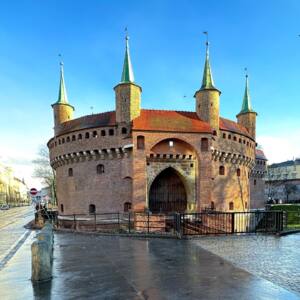
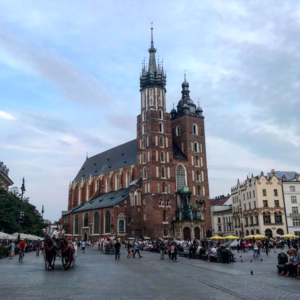
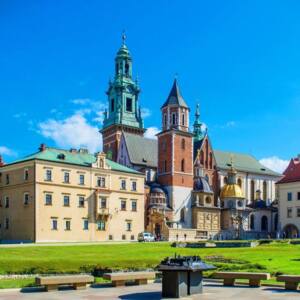
Architecture buffs will think they are in heaven. Over Kraków’s thousand-year history, great European architectural styles- Romanesque, Gothic, Renaissance, Baroque, and Art Nouveau- have cycled through, leaving traces that prove the whole is infinitely greater than the sum of its parts. Krakow survived the wars of the 10th century with little destruction, giving visitors the chance to see its architecture in its authentic form. Begin your architectural pilgrimage at Krakow Barbican, one of the last structures of its kind in Europe, which whispers tales of the city’s tumultuous past. Head to the Main Square to see the world’s largest late-Gothic altarpiece in the darkened interior of St Mary’s Basilica, then step out into the sunshine to see the gleaming 16th-century Renaissance Cloth Hall (Sukiennice), built when Kraków’s royal authority was at its peak. Continue to Wawel Royal Castle, a magnificent complex that shows this transition: it began as a Gothic fortress before becoming a stunning Renaissance residence, crowned by its beautiful arcaded courtyard. But the city’s narrative doesn’t stop in the past; Kraków boldly bridges the centuries. Venture beyond the Old Town to discover the dramatic, organic forms of Teodor Talowski, often hailed as the ‘Galician Gaudí,’ whose extraordinary, brick-heavy designs blend Romanticism and early Modernism into theatrical urban sculptures, such as his iconic tenement houses. Finally, Kraków confidently embraces the 21st century with sleek, modern structures: the elegant sweep of the Kraków Opera House and the beautifully engineered arc of the Father Bernatek Bridge (Kładka Bernatka), which not only connects the Kazimierz and Podgórze districts but also serves as a contemporary urban sculpture. This diverse landscape—where medieval grandeur stands alongside modern design—makes Kraków a continuously inspiring destination for lovers of art and architecture.

Culture, Culture, Culture

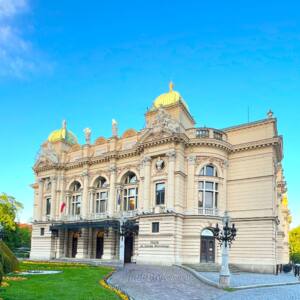
Kraków may no longer be Poland’s political capital, but it makes a strong case for being the country’s cultural capital. The city’s intellectual and artistic pulse beats through a staggering number of institutions, starting with its diverse museums. Visitors can immerse themselves in High Renaissance art at the venerable Czartoryski Museum, explore Japanese art and technology at the unique Manggha Museum of Japanese Art and Technology, or engage with thought-provoking contemporary works at galleries that sometimes feature provocative modern installations, such as those inspired by artists like Banksy. World-class performance spaces further enrich the cultural scene, including the historic Juliusz Słowacki Theatre and numerous modern concert venues that host both classical and contemporary acts. Throughout the year, Kraków bursts with life, showcasing its enchanting seasonal events and festivals, from the mesmerizing Grand Dragon Parade and the vibrant Jewish Culture Festival in Kazimierz to the celebrated annual Kraków Film Festival. As the sun sets, the city comes alive with nightlife, from sophisticated jazz clubs in subterranean cellars to bustling bars and dance clubs, setting the stage for the next essential urban experience: a deep dive into Kraków’s celebrated culinary scene.

Pierogi, Vodka & More

Kraków’s culinary traditions are as much a part of its character as its historic landmarks. Wander through cobbled streets, and the aroma of hearty Polish dishes will draw you to inviting taverns or busy street-food stalls. Traditional favorites include pierogi—dumplings filled with savory potato and cheese, meat, or sweet seasonal fruit. To discover more of these flavors and the stories behind them, join a Traditional Polish Food Tour with a local guide. As you indulge in these iconic flavors, don’t miss the opportunity to sample vodka, Poland’s beloved spirit, which flows freely in many establishments, each bottle telling a unique story of local craftsmanship. From charming Gothic cellars steeped in history to vibrant street vendors serving quick bites to accompany your drink, every corner of Kraków offers a new taste adventure.
But the culinary scene here isn’t bound solely by tradition; Cracovians love exploring new gastronomic terrain. As you stroll through the bustling neighborhoods, you’ll find an eclectic mix of French bistros, Italian trattorias, and Asian-inspired eateries that have made their mark on the city’s palate. This vibrant cultural fusion reflects Kraków’s open-mindedness and the culinary creativity flourishing within its borders. In recent years, the city has also embraced the growing trend of vegan and vegetarian cuisine, making it a hotspot for plant-based options. You’ll discover everything from inventive vegan sushi that artfully combines traditional Japanese techniques with local ingredients to hearty meatless kebabs that pack a flavorful punch. These modern twists on classic fare reflect the evolving tastes of contemporary diners while showcasing the chefs’ passion for sustainability and inclusivity.
Kraków proudly hosts establishments recognized by the prestigious Michelin Guide. At the top is Bottiglieria 1881, which has earned two Michelin Stars and showcases exquisite fine dining rooted in Polish tradition and seasonal ingredients. Beyond this culinary star, numerous other restaurants are highlighted as “Michelin Selected” or “Bib Gourmand,” underscoring the city’s high standard of gastronomy. Whether you seek innovative modern cuisine or refined traditional Polish flavors, you can find a Michelin-recognized spot like Zazie Bistro or Fiorentina to satisfy the most discerning palate, cementing Kraków’s status as a top European food destination.
No culinary exploration of Kraków is complete without indulging in lody (ice cream), a beloved national obsession that captures the essence of Polish summer. With an array of artisanal flavors—from classic vanilla to innovative combinations that delight the senses—it’s a sweet treat that offers a joyful end to any meal.
Krakow for Travelers Q&A
How many days should I plan to spend in Kraków?
The number of days you plan to spend in Krakow largely depends on your interests and the depth of experience you desire. Kraków is a vibrant and culturally rich city with a lot to offer, including historical landmarks and world-class museums. To get a well-rounded understanding of the city, it is generally recommended to spend at least 3 to 4 days, which is enough time to explore the Old Town, Kazimierz, and Wawel Hill. But the 5 days will make your trip less packed and more enjoyable, providing a good opportunity for a day trip to places like Auschwitz-Birkenau, Wieliczka Salt Mine, or the Tatra Mountains.
Is Krakow safe to travel alone?
Yes. Kraków is one of the safest cities in Europe. Violent crime is extremely rare, and the Old Town and Kazimierz are patrolled regularly by police. Like anywhere in the world, no place is 100% safe, so it's never wrong to be cautious. So please beware of pickpockets in crowded areas or public transport.
Is English spoken in Krakow?
Yes, English is widely spoken — especially by younger people, hotel staff, and anyone working in tourism. At the same time, the older generation of Polish people working in the service sector may occasionally not know English, but it is rather an exception. Most restaurant menus are bilingual, and signs in major attractions include English translations. However, it is always a good idea to learn some basic phrases in Polish, like "Dzień dobry" (Good day) and "Dziękuję" (Thank you).
Is Krakow friendly to tourists?
Absolutely. Locals are known for their hospitality and pride in their city’s heritage. Visitors often comment on how approachable and helpful Kraków’s residents are. The city attracts a large number of visitors each year, and the tourism industry plays a significant role in the city's economy. Krakow offers a wide range of tourist-friendly services, such as tourist information centers, guided tours, and multilingual signage at popular landmarks and museums. There are also various transportation options, including public transport, bike & scooter rentals, making it easy for visitors to navigate the city and explore its attractions. However, as with any popular tourist destination, it's always a good idea to exercise common sense and be aware of your surroundings. Taking basic precautions, such as keeping an eye on your belongings and being mindful of pickpockets in crowded areas, is recommended.
Are there any tourist scams to watch out for?
Kraków is generally honest, but be cautious with unlicensed taxis, pushy club promoters, and “free” tours that pressure for big tips. Stick with official or well-reviewed services.
Is Krakow a walkable city?
Yes! Kraków’s Old Town and Kazimierz are compact and best explored on foot. The Royal Route, stretching from St. Florian’s Gate to Wawel Castle, is entirely pedestrian-friendly and filled with historic sites.
What’s the best area to stay in Kraków?
Most visitors stay in or near the Old Town for convenience. Kazimierz is slightly quieter, with a bohemian atmosphere, while Podgórze offers a more local experience with modern hotels and good tram connections.
What’s the weather like in Kraków?
Kraków has a continental climate — warm summers (25–30°C / 77–86°F) and cold, sometimes snowy winters (−5 to 5°C / 23–41°F). Bring layers and a good coat if visiting in winter.
How do I get from Kraków Airport to the city center?
The Kraków Airport (John Paul II Airport in Balice) is about 11 km away. The easiest option is the direct train to Kraków Główny Station, which takes around 20 minutes. Taxis and rideshares are also available and take about 25–30 minutes.
Can I pay in euros or dollars?
Poland’s currency is the Polish złoty (PLN). Some hotels and tourist-oriented restaurants may accept euros, but the exchange rate is poor. Credit and debit cards are widely accepted, including contactless payments like Apple Pay or Google Pay.
Where can I exchange my money in Kraków?
You can exchange cash at "Kantors"(currency exchange offices), which are plentiful in the city center and usually offer better rates than banks. Always check the posted buy/sell rates and avoid places displaying “0% commission” with unrealistic rates. Withdrawing money from your bank account in Polish zloty is also a valid option, but avoid ATMs or bankomats with the EuroNet sign as they offer unreasonable exchange rates and commissions.
Can I drink tap water in Kraków?
Yes, Kraków’s tap water is safe and clean to drink, and it contains more than 300 mg of minerals per liter, including bioelements such as calcium, magnesium, potassium, and sodium. Around 60% of the city's residents declare that they drink tap water.
Do I need to book attractions in advance?
For popular sites like Wawel Castle, Auschwitz-Birkenau, and the Salt Mine, it’s wise to book tickets in advance, especially in summer. Many museums offer online reservations with timed entry.
Is public transport good & reliable in Kraków?
Yes. The city has an efficient tram and bus system operated by MPK. Tickets can be bought from machines (with English options) or via mobile apps. Validate your ticket immediately after boarding.
Do I need a local SIM card?
If your phone plan includes EU roaming, you’ll likely have coverage. Otherwise, you can buy a local SIM card from providers like Orange, Plus, or Play — available at the airport or convenience stores. Or you can use one of the global e-SIM services like AirAlo or Nomad.
Are tips expected in restaurants and cafés?
Tipping is appreciated but not mandatory. It is good to leave around 10% for good service. If you pay by card, check if the machine allows you to add a tip before confirming the payment, or ask your waiter if you can add a tip to a card payment. However, tips in cash are always preferred.
Photo Gallery
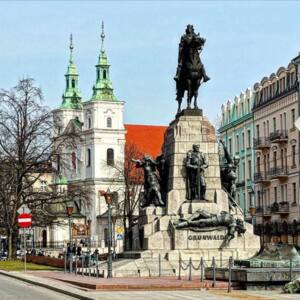
  • Grunwald Monument in Krakow
    Grunwald Monument in Krakow
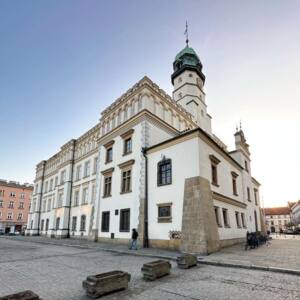
  • Kazimierz town hall
    Kazimierz town hall
  • Kraków Barbican
    Kraków Barbican
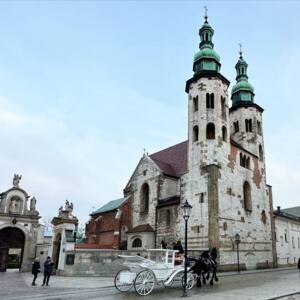
  • St. Andrew's Church, Kraków
    St. Andrew's Church, Kraków
  • St. Mary's Basilica in Krakow
    St. Mary's Basilica in Krakow
  • Wawel Cathedral in Krakow
    Wawel Cathedral in Krakow
  • Juliusz Slowacki Theater in Krakow
    Juliusz Slowacki Theater in Krakow
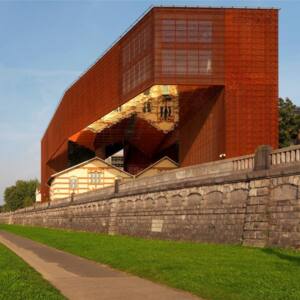
  • Cricoteka – the Tadeusz Kantor Museum
    Cricoteka – the Tadeusz Kantor Museum
KRAKÓW WEATHER