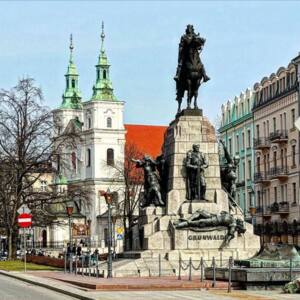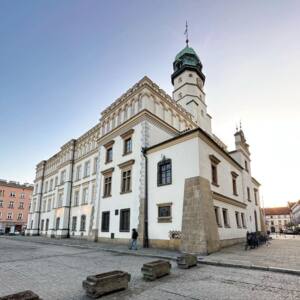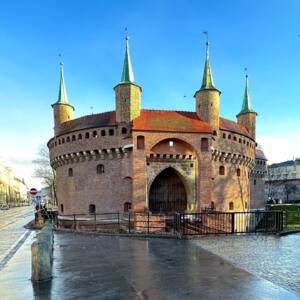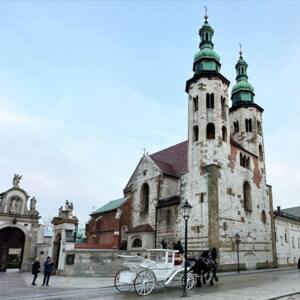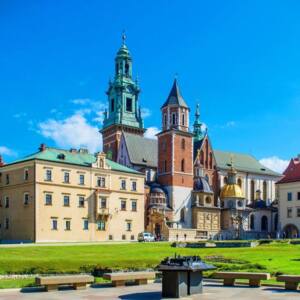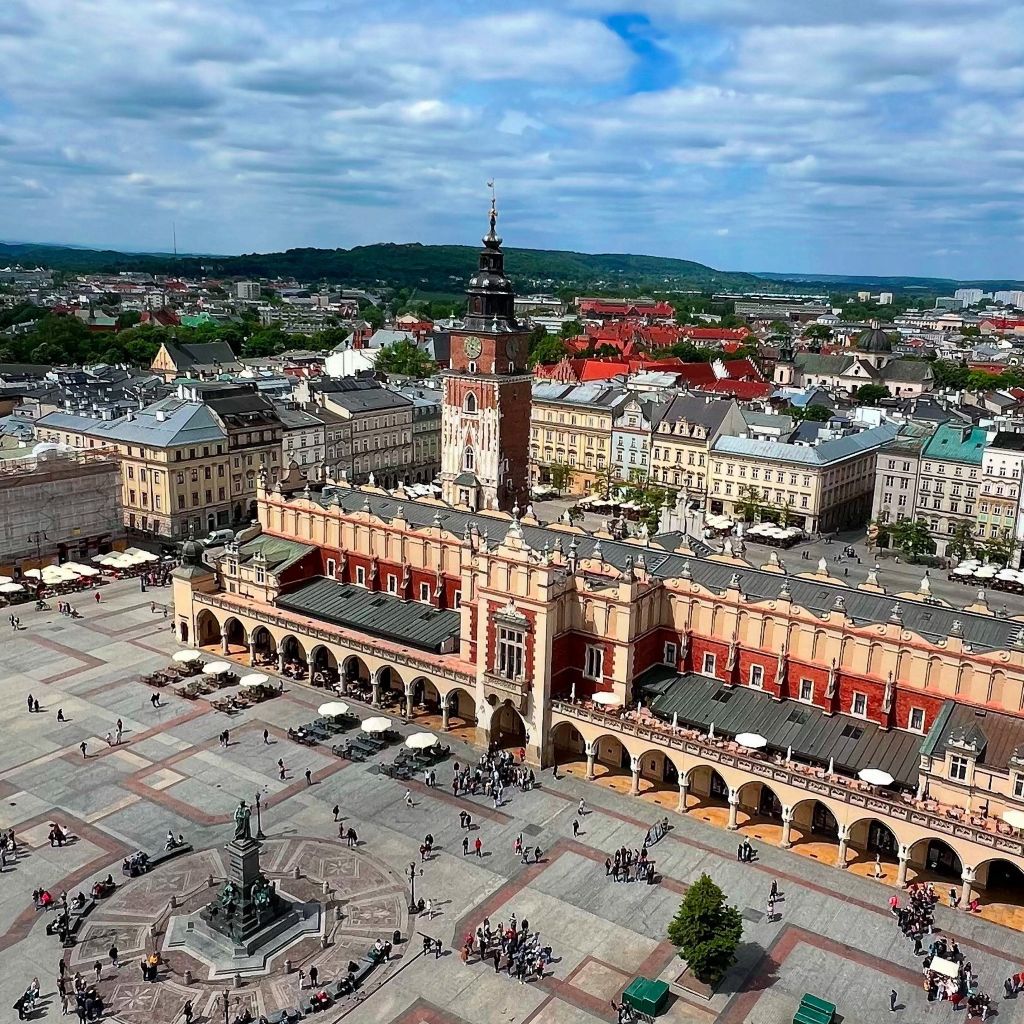
Kraków, nestled on the banks of the Wistula River in the south of Poland, is a timeless fusion of history and culture. Distinguished as a cultural and academic hub with enduring traditions, Krakow captivates with its unique allure. It's best known for its striking medieval Old Town, vibrant Main Market Square (Rynek Glówny), and historic Jewish quarter, Kazimierz. Amidst cobbled streets, Gothic and Renaissance architecture unfold, and the regal Wawel Castle overlooks the city, representing Krakow's royal past. The town avoided destruction during WWII, but remnants of the Jewish Ghetto wall, historic Oskar Schindler's Factory, and the city's proximity to the somber Auschwitz-Birkenau remind us of a painful history.
Kraków, one of Poland's oldest and most beautiful cities, is situated in the southern region along the Vistula River. As a must-visit travel destination, this captivating city offers a blend of rich history, enchanting architecture, and a lively cultural scene. With its well-preserved medieval core, bustling market square, and thriving arts community, Krakow provides visitors with an unforgettable experience steeped in tradition and charm.
Kraków's history is marked by alternating themes of destruction and rebirth, a narrative that dates back to the 13th century when the city was sacked by marauding Tatars, an event that notably included the piercing of the town crier's throat with an arrow. In the 14th century, Kraków regained prominence as Poland's capital, a status that was lost in the 16th century when the capital was moved to Warsaw. The city experienced a resurgence after World War I, only to face occupation by Nazi Germany two decades later. After that came communism, and another chapter of rebirth, it's a never-ending episode of Game of Thrones, and just as enthralling.
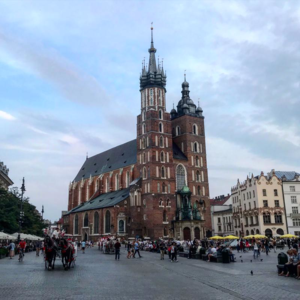
Architecture buffs will think they died and went to heaven. Over the thousand years of Kraków's existence, all of the great European architectural styles – Romanesque, Gothic, Renaissance, Baroque, and Art Nouveau – have cycled through and left behind traces that prove the whole is infinitely greater than the sum of the parts. Begin your architectural pilgrimage by tracing the earliest foundations at Wawel Hill, where the sparse beauty of the pre-Gothic Romanesque Wawel Rotunda whispers tales of the city's very origins. Move to the Main Square to find the world's largest late-Gothic altarpiece within the darkened interiors of St Mary's Basilica, and then step out into the sunshine to see the gleaming 16th-century Renaissance Cloth Hall (Sukiennice), built at a time when Kraków's royal authority was at its peak. Continue to Wawel Royal Castle, a magnificent complex that demonstrates this transition, starting as a Gothic fortress before being transformed into a stunning Renaissance residence, crowned by its beautiful arcaded courtyard. But the city's narrative doesn't stop in the past; Kraków boldly bridges the centuries. Venture beyond the Old Town to discover the dramatic, organic forms of Teodor Talowski, often hailed as the 'Galician Gaudí,' whose extraordinary, brick-heavy designs blend Romanticism and early Modernism into theatrical urban sculptures, such as his iconic tenement houses. Finally, Kraków confidently embraces the 21st century with sleek, modern structures: the elegant sweep of the Kraków Opera house and the beautifully engineered arc of the Father Bernatek Bridge (Kładka Bernatka), which not only connects the Kazimierz and Podgórze districts but serves as a contemporary urban sculpture. This diverse landscape—where medieval grandeur stands alongside modern design—makes Kraków a continuously inspiring destination for lovers of art and architecture.
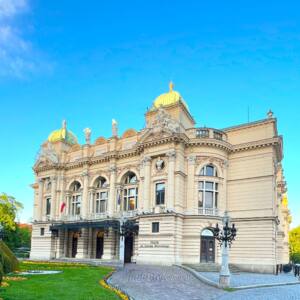
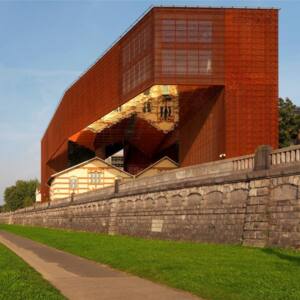
Kraków may no longer be Poland's political capital, but it makes a strong case for being the country's cultural capital. The city's intellectual and artistic pulse beats across a staggering number of institutions, starting with its diverse selection of museums. Visitors can immerse themselves in high Renaissance art at the venerable Czartoryski Museum, explore Japanese art and technology at the unique Manggha Museum of Japanese Art and Technology, or engage with thought-provoking contemporary works at galleries that sometimes feature provocative modern installations, such as those inspired by artists like Banksy. The cultural scene is further enriched by world-class performance spaces, including the historic Juliusz Słowacki Theatre and numerous modern concert venues that host both classical and contemporary acts. Throughout the year, Kraków bursts with life, showcasing its enchanting seasonal events and festivals, from the mesmerizing Grand Dragon Parade and the vibrant Jewish Culture Festival in Kazimierz to the celebrated annual Kraków Film Festival. As the sun sets, the city reveals its dynamic nightlife, offering everything from sophisticated jazz clubs in subterranean cellars to bustling bars and dance clubs, setting the perfect stage for the next essential urban experience: a deep dive into Kraków's celebrated culinary scene.
No account of Kraków's myriad charms would be complete without a heartfelt tribute to its culinary landscape, which is as rich and diverse as the city itself. Imagine wandering through the cobbled streets, where the tantalizing aroma of sizzling kiełbasa (Polish sausage) wafts through the air, drawing you toward bustling stalls and inviting taverns. Here, traditional delights reign supreme, with pierogi taking center stage—these delightful dumplings come stuffed with a variety of fillings, from savory potato and cheese to sweet fruits, each bite a comforting nod to centuries of Polish culinary tradition.
As you indulge in these iconic flavors, don't miss the opportunity to sample vodka, Poland's beloved spirit, which flows freely in many establishments, each bottle telling a unique story of local craftsmanship. From charming Gothic cellars where the ambiance is steeped in history to vibrant street vendors serving up quick bites to accompany your drink, every corner of Kraków offers a new taste adventure. But the culinary scene here isn't bound solely by tradition; Cracovians have a zest for exploring new gastronomic terrain. As you stroll through the bustling neighborhoods, you'll find an eclectic mix of French bistros, Italian trattorias, and Asian-inspired eateries that have made their mark on the city’s palate. The vibrant fusion of cultures is a testament to Kraków's open-mindedness and the culinary creativity flourishing within its borders. In recent years, the city has also embraced the rising trend of vegan and vegetarian cuisine, making it a hotspot for those seeking plant-based options. You’ll discover everything from inventive vegan sushi that artfully combines traditional Japanese techniques with local ingredients to hearty meatless kebabs that pack a flavorful punch. These modern twists on classic fare not only reflect the evolving tastes of contemporary diners but also showcase the chefs' passion for sustainability and inclusivity.
Kraków proudly hosts establishments recognized by the prestigious Michelin Guide. At the pinnacle is Bottiglieria 1881, which has earned the coveted Michelin Star, showcasing exquisite fine dining rooted in Polish tradition and seasonal ingredients. Beyond this sole culinary star, numerous other restaurants are highlighted as "Michelin Selected," demonstrating the city's overall high standard of gastronomy. Whether you seek innovative modern cuisine or refined traditional Polish flavors, you can find a Michelin-recognized spot like Zazie Bistro or Fiorentina to satisfy the most discerning palate, cementing Kraków's status as a top European food destination.
And no culinary exploration of Kraków would be complete without indulging in lody (ice cream), a beloved national obsession that captures the essence of Polish summer. With an array of artisanal flavors—ranging from classic vanilla to innovative combinations that delight the senses—it's a sweet treat that offers a joyful conclusion to any meal.